
AI is thoroughly transforming how the real estate industry operates, from how teams maintain buildings and lease units to how they understand residents. It's also changing what renters expect: faster answers, more self-service, and more clarity about what they're paying for.
As more of the experience gets automated, the parts that still depend on people carry more weight. Trust, clear communication, and strong onsite teams are what turn new technology and new programs into results that last.
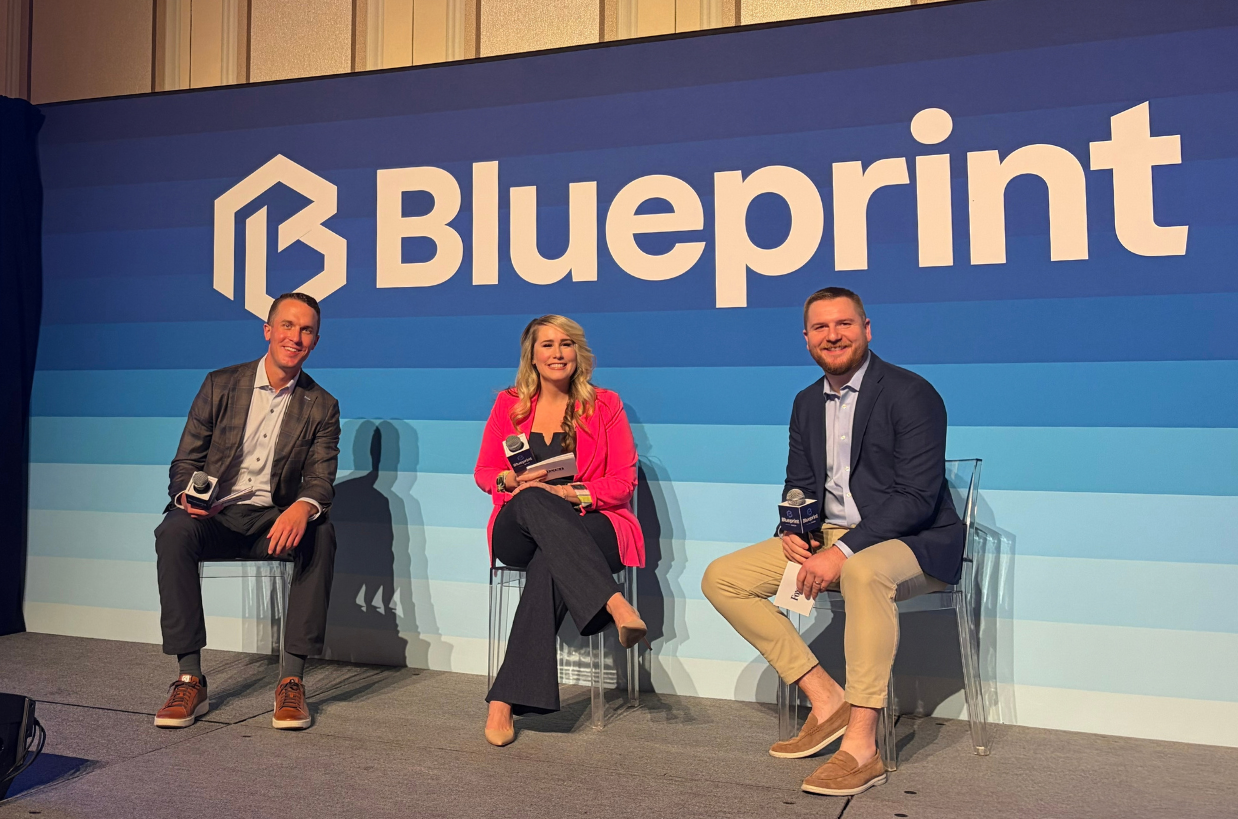
Those themes ran through many of the conversations at Blueprint Vegas this fall, where owners, operators, and investors gathered to talk about how to drive higher NOI in a multifamily leasing market that’s just starting to recover from several years of soft rent growth and high supply. Here's what stood out, including lessons from Foxen's own session on the NOI Stage.
Beyond the AI Hype, Multifamily Teams are Finding Measurable NOI
Most owners and operators already have plenty of data. The challenge is turning it into action. One Blueprint panel, “From Data to Dollars: Turning Operational Insights Into Immediate Value,” focused on exactly that gap: Melissa Fagan, VP at RET Ventures, moderated a discussion on how tools like predictive maintenance and AI-driven leasing and resident engagement can turn operational insight into real ROI, and what workflow friction tends to get in the way.
Another session, hosted by 20for20’s Dom Beveridge, took on the hype directly. In “What Does ‘AI-First’ Have to Do With Multifamily NOI?,” panelists shared specific use cases where AI has directly driven NOI – for example, AI-powered virtual modeling of properties during the acquisition stage. As AI-first design starts to collapse traditional software categories, a useful question for operators is whether a tool changes a decision or removes friction in a way legacy software can't.
AI is Changing Renter Expectations, and Property Staffing Models Must Shift to Keep Up
Residents are used to fast, self-serve experiences in the rest of their lives, and they're bringing those expectations home. Chat and agentic AI are also changing what operators can know about residents, which opens the door to more responsive, personalized service.
As AI platforms are reimagining what interactions between residents and property staff look like, operators are rethinking their staffing models to adapt. A panel hosted by Mike Brewer, “Rebuilding the Operating Model: How Leading Owner/Operators Are Redesigning Multifamily from the Inside Out,” focused on how org charts are changing: new and obsolete roles, redefined scope for traditional roles, and the new payroll-per-unit math that operators are working with. Better tools help improve efficiency and resident experience, but how teams are structured around them matters too.
As the resident experience gets more automated, the human interaction moments count more, too. Residents still need to trust that what they're paying for is worth it, and onsite teams are still the ones who keep a community running day to day.
Programs that Renters Value Directly Drive NOI
Most operators already have resident programs in place. Fewer have set them up in a way that brings in new revenue and reduces portfolio risk. That was the focus of Foxen's session on the NOI Stage, moderated by Foxen CEO Kevin Jacobson with two Foxen customers: Matt Page, Vice President at Harrison Street Asset Management, and Erica McLaughlin, Managing Director of Property Management at RangeWater Residential.
Compliance is Only the Starting Point
Erica shared the story of how RangeWater partnered with Foxen to achieve 100% renters insurance compliance – a sizable challenge that anyone who has worked onsite knows well.
"You probably know what it's like to chase down renters insurance, either at new move-in or at renewal," Erica said. "It is just a constant thing."
Though Rangewater is just a few months into its Waiver program with Foxen, Erica said the impact on compliance was immediate. With a property damage liability waiver program in place, residents either upload their own policy to meet lease requirements or are enrolled in the waiver, so the coverage gaps that used to require audits to catch are proactively detected and prevented. Full protection for their units also means less exposure if property damage does happen. As Erica put it, "you're not losing sleep at night over that."
Enterprise Value: NOI at the Property and Beyond
For Matt, the day-to-day benefit starts with the smaller damages that add up over a year. "These waiver-type programs really do a great job in absorbing some of the ‘paper cuts’ that kind of hit a property's P&L on a regular yearly basis," he said.
As an asset management firm, Harrison Street has taken it further by running its program through an insurance captive it owns. Beyond property-level income, that approach generates underwriting profits and adds to enterprise value, which Harrison Street tracks as the additional property-level income times the applied cap rate. "It's been a meaningful lift for our funds, for our properties, and for our corporate entity," Matt said.
Matt also pointed out that results can vary by asset type. Take rates tend to run higher in student and senior housing, where residents may be less likely to already carry a traditional renters insurance policy.
Transparency and Value Make a Difference For Residents
Erica described the resident side of the program as largely self-serve. Residents use a portal to decide whether to bring their own policy or enroll in the waiver, and leasing teams no longer have to chase anyone down at move-in or renewal.
How those programs are communicated matters just as much. Erica's advice was to make sure residents understand the value "so that they don't feel like you're pushing more fees towards them. They truly understand that, oh, this is for my financial wellness. Maybe it's for the ease and convenience. That becomes an amenity."
Kevin tied it back to the results both panelists shared. "The numbers are really eye-popping," he said. "They wouldn't be eye-popping if it was not a great resident experience."
Erica's other piece of advice was about the people running these programs every day. "These programs either live and thrive or die with the execution of the on-site team," she said. "We can all have, as an owner, operator, and Foxen, the best of intentions for a program. But if we don't sell the value of that to our on-site teams, it's not going to go how we want it to go."
Matt's advice for anyone getting started was simple: prioritize finding a partner who can administer the program and take on the risk, then consider a captive once your portfolio reaches enough scale for it to make sense.
Keep the Conversation Going
Though AI's impact on the real estate industry is still taking shape, it’s already transforming the way property owners, operators, and residents interact. Amidst this shift, it’s become more important than ever to build trust through human connection – and doing so is what turns your technology investment into programs that benefit residents and your business.
Curious about how to get more out of resident programs, reduce risk without adding work for onsite teams, and do it in a way residents actually value? Reach out to the Foxen team to learn how Waiver and our other resident programs can help your portfolio turn compliance into NOI.
.png)
.png)
