
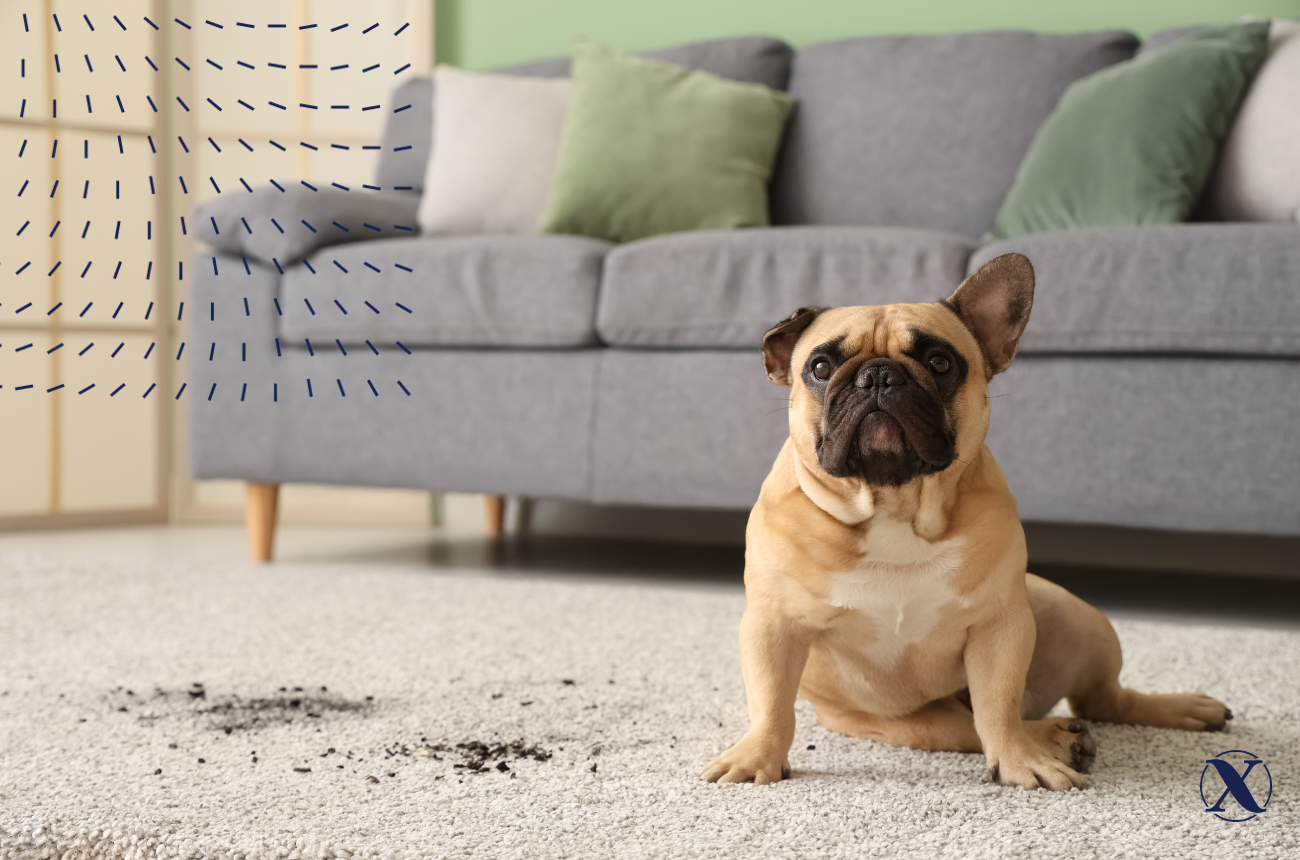
Pet-friendly housing is a baseline expectation for pet-loving renters. In fact, as many as 60% of renters renew their leases because their property allows pets, and 93% of property management professionals now permit pets in their communities. Most multifamily operators have adjusted accordingly: pet policies have gotten smarter, pet verification is widely used to cut down on pet and animal risk, and pet fees and pet rent are standard practices to maintain property NOI.
However, what hasn’t always kept pace is the strategy for managing the heightened risk of property damage caused by pets — and many residents and operators are lacking important protection from the potential financial impact.
The Pet Damage Gray Area in Your Renters Insurance Compliance Strategy
To protect the property in case of damage accidentally caused by a renter, many multifamily operators ensure renters insurance compliance through a property damage liability waiver program, backed by a Tenant Legal Liability (TLL) insurance policy. These programs exist to protect the property when a renter causes damage. Most waiver programs, however, are structured around a defined list of covered perils — water damage, fire, smoke, and other specific, named causes.
However, pet-caused damage can fall into a gray area. It usually doesn’t fall under any of those named perils, and may be explicitly excluded from coverage. This kind of damage is renter-caused, in the sense that residents are responsible for their pets, but it often fails to protect multifamily operators when pets are the cause of property damage.
This isn’t rare or unusual damage, either. The categories that come up again and again are familiar to anyone managing a pet-friendly community: urine stains and odor, scratched doors and door frames, and damaged carpet or flooring top the list consistently, across landlord surveys and industry guidance. These are everyday occurrences in pet-friendly housing, and although they may be routine, these costs can add up to beyond what a pet fee or deposit structure is built to handle.
The Limits of Pet and Security Deposits
Security Deposits and pet fees or deposits are a foundational part of protecting a pet-friendly property, and they can be your first line of defense against costly pet damage. Typical pet deposits run $200–$600 per pet, which often covers the everyday cases — a stain treatment, a routine cleaning, a small patch job.
However, more significant pet damage costs can easily exceed pet fees and even a renters security deposit. For example, pet urine damage can be very costly to remediate — especially if urine has worked into the padding and subfloor.
When the cost to repair pet damage exceeds the amount of standard pet or security deposits, renters and operators are both put in a tough spot.
When a gap in coverage for pet damage exists within the TLL policy that backs their waiver program, many operators are left to deal with the loss, attempting to recover the cost from the former resident or absorbing it as the cost of being pet-friendly. None of these qualify as a real risk management strategy that can scale with your portfolio.
Building Pet Damage Protection into your Property Damage Liability Waiver Program
The fix isn’t a larger deposit or a stricter pet policy — those approaches can make your property less inclusive for renters with pets, drive down new resident acquisition and even hinder renewals.
A more successful approach is to build pet damage protection directly into your renters insurance compliance strategy by ensuring this coverage is included in your TLL policy alongside the existing perils in your property damage liability waiver program.
With this added layer of protection in place, your properties are protected in case a resident negligently allows their pet to cause damage to the property — while keeping your overall pet policies friendly to drive resident satisfaction and loyalty.
Ready to add this layer of protection to your own renters insurance compliance strategy? Connect with the Foxen team to learn how to add pet damage protection to your property damage liability waiver program.
%20(1).png)
.png)
.png)